
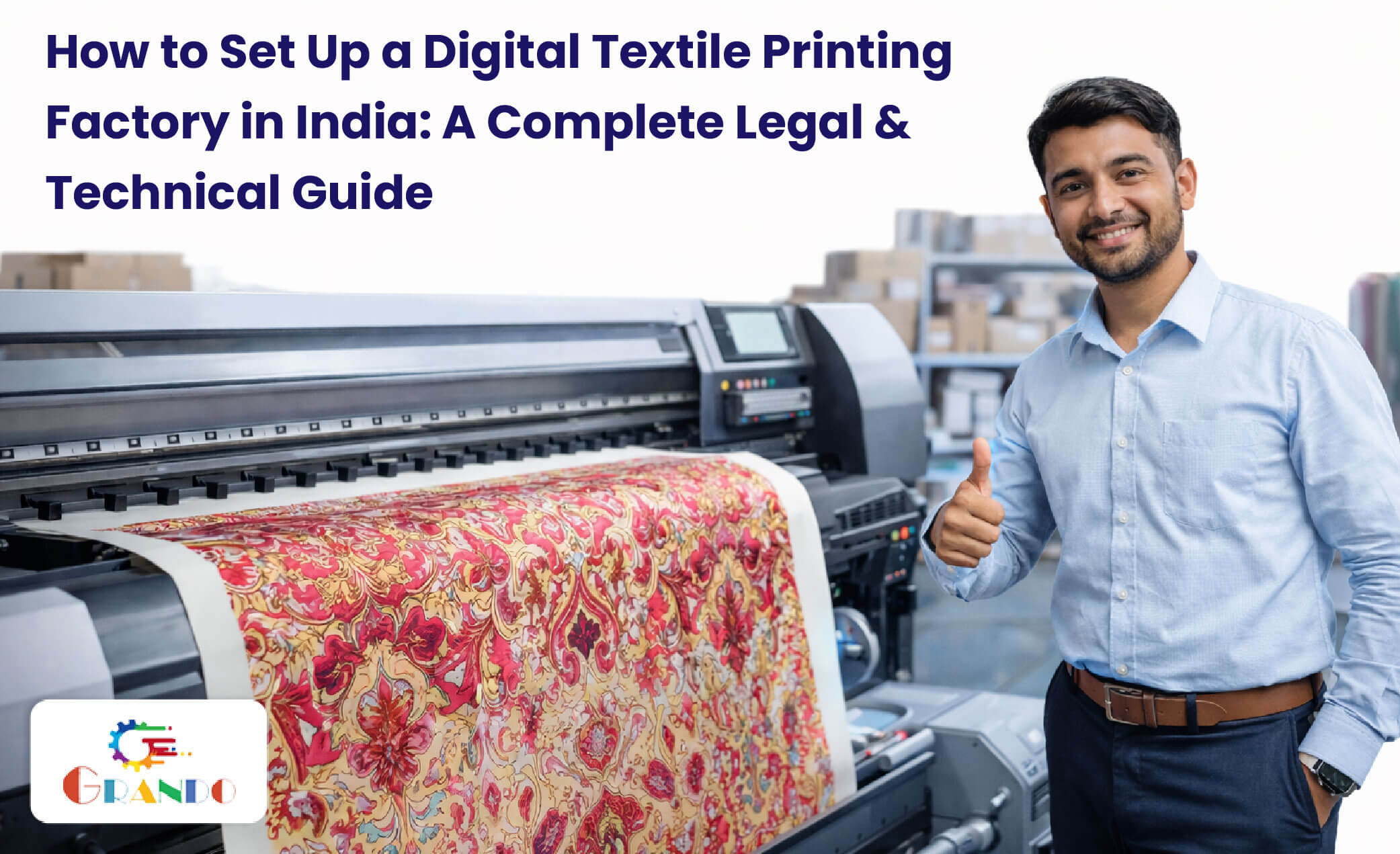
The Indian textile industry is evolving fast, and digital technology is leading the change. From fashion brands to home décor exporters, demand for high-quality, short-run, and customized fabric printing is rising sharply. If you’re planning to enter this space, setting up a digital textile printing factory in India can be a highly profitable move—provided you do it right.
This guide walks you through the legal requirements, technical setup, machine selection, and operational planning, with a clear focus on choosing the right Digital Textile Printing Machine and building a scalable business model.
Understanding the Digital Textile Printing Business Model
A digital textile printing factory allows you to print directly on fabric using inkjet technology. Unlike traditional methods, there are no screens, minimal wastage, and faster turnaround times. Whether you plan to serve apparel brands, exporters, or offer custom sublimation printing services, digital printing gives you flexibility and speed.
At the heart of this setup is the Digital Textile Printing Machine, which determines print quality, production capacity, and long-term profitability. Choosing the right machine from reliable digital printing machine manufacturers in India is the first strategic decision you’ll make.
Legal Requirements to Start a Textile Printing Factory in India
Before installing machines, paperwork comes first (yes, boring—but unavoidable).
You’ll need:
- Business registration (Proprietorship, LLP, or Pvt Ltd)
- GST registration
- Udyam (MSME) registration
- Factory license (if applicable)
- Pollution Control Board consent (especially for pigment or reactive inks)
- Trade license from the local authorities
If you’re planning operations in Gujarat, setting up a Digital Textile Printer in Surat offers smoother access to textile infrastructure, skilled labor, and logistics. Surat remains a hub for industrial printing and fabric processing.
Location & Infrastructure Planning
Your factory location should support:
- Stable power supply
- Adequate ventilation and humidity control
- Easy raw material and fabric movement
- Access to printer services near Udhana or nearby industrial zones
Most successful units using a Digital Textile Printer in Surat operate from textile-dedicated areas where chemical suppliers, fabric processors, and maintenance services are close by. This reduces downtime and operational friction.
Choosing the Right Digital Textile Printing Machine
This is where most factories either win or regret later.
A high-quality Digital Textile Printing Machine should offer:
- Consistent color output
- Compatibility with multiple fabrics
- Industrial-grade print heads
- Efficient ink usage
- Strong after-sales support
Machines such as the Grando digital printing machine in India are designed specifically for Indian production conditions. They are widely considered among the best digital printing machines in India due to durability, print precision, and service availability.
If your focus includes polyester fabrics, investing in a digital sublimation printing machine or a sublimation printer for textiles is essential. For cotton and blended fabrics, pigment or reactive-based digital textile printing machines are more suitable.
Understanding Fabric Print Machine Price & ROI
The fabric print machine price varies depending on:
- Print width
- Speed and resolution
- Ink type (sublimation ink, pigment, reactive)
- Automation level
Entry-level setups may start smaller, but industrial printing demands machines built for volume. A commercial printing machine designed for textiles ensures faster ROI and lower maintenance costs over time.
When evaluating the Digital Textile Printing Machine, don’t just look at the price—look at uptime, ink efficiency, and long-term service costs.
Technical Setup & Workflow
A standard digital textile printing workflow includes:
- Fabric pre-treatment (if required)
- Printing using digital textile printing machines
- Heat fixation or curing
- Finishing and inspection
Factories using a Digital Textile Printer in Surat often integrate finishing units nearby to reduce logistics costs. This setup is ideal for scaling into export-grade production.
Staffing & Skill Requirements
You don’t need a massive workforce, but you do need trained operators. Machine handling, RIP software knowledge, and color management are critical skills. Leading suppliers like Grando India also provide operator training with their digital printing machines, which significantly reduces startup errors.
Why Surat Is the Smart Choice
Surat isn’t just a textile city—it’s an ecosystem. From yarn to finished fabric, everything is available within reach. Setting up a digital printing machine Surat operation gives you access to:
- Faster sourcing
- Skilled manpower
- Competitive servicing
- Established textile clients
That’s why many entrepreneurs searching for the best digital printing machine end up investing in Surat-based operations.
Partnering with the Right Machine Manufacturer
Your success depends heavily on who you buy from. Trusted digital printing machine manufacturers in India offer:
- Reliable machines
- Spare part availability
- Technical support
- Upgrade options
Grando India stands out by offering industrial-grade Digital Textile Printing Machine solutions built for Indian textile demands—whether you’re starting small or scaling fast.
Final Thoughts
Setting up a digital textile printing factory in India is no longer a future idea—it’s a present opportunity. With the right planning, legal compliance, and a dependable Digital Textile Printing Machine, you can build a profitable, scalable textile business.
If you’re serious about entering fabric printing, now is the time to invest in technology that delivers quality and consistency.
Contact Grando India today to explore the right digital textile printer for your business.
Get expert guidance, competitive pricing, and direct solutions for fabric printing under one roof.
FAQs
Q1. Which is the best digital printing machine in India for textiles?
The best digital printing machine depends on fabric type, volume, and ink technology. Industrial buyers often prefer machines with strong after-sales support and proven performance.
Q2. What is the role of a sublimation paper supplier in textile printing?
A reliable sublimation paper supplier ensures consistent ink transfer quality, which is critical when using a sublimation printer for textiles.
Q3. Is Surat a good location for digital textile printing?
Yes, Surat offers unmatched textile infrastructure, skilled labor, and easy access to printer services near Udhana.
Q4. Can I start with custom sublimation printing services?
Absolutely. Many startups begin with custom sublimation printing services and later expand into full-scale industrial printing.
Q5. How do I choose between different digital textile printing machines?
Compare print speed, fabric compatibility, service support, and long-term operating cost—not just the initial fabric print machine price.